
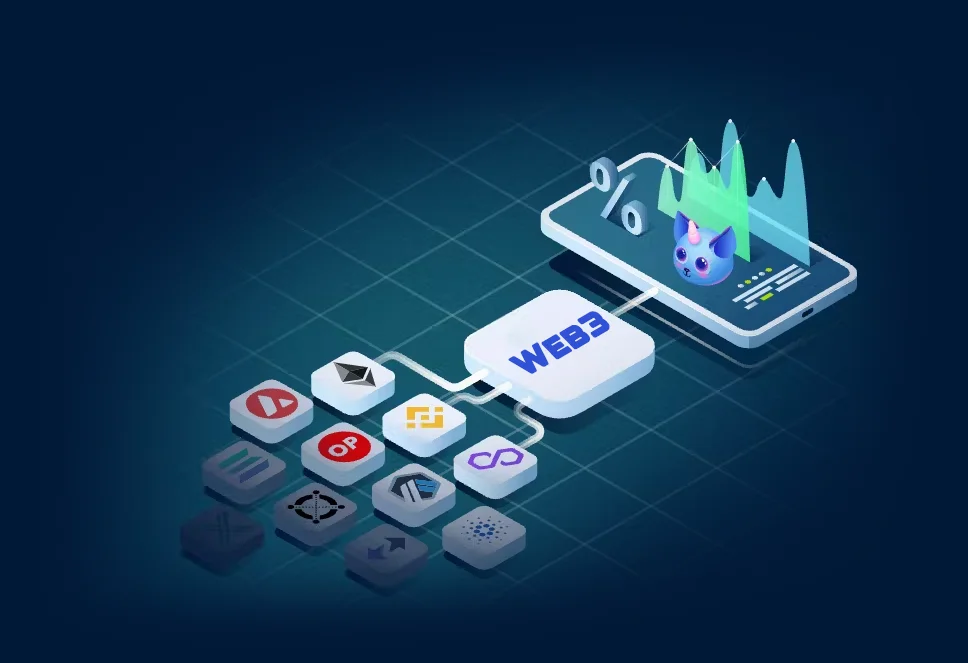
Modern care systems require trust-driven records, secure sharing, and transparent access across connected platforms. Growing data volumes demand controlled visibility while protecting privacy. Web3 development services help build decentralized frameworks that support verified records, automated permissions, and traceable activity. This approach strengthens accountability while enabling faster coordination between platforms and stakeholders without exposing sensitive details unnecessarily.
Secure Data Handling
Blockchain-based structures support tamper resistant storage where records remain accurate across connected nodes. Controlled permissions ensure only approved participants gain access. This structure improves confidence among connected parties while lowering risks linked with centralized storage weaknesses.
Transparent Record Sharing
Distributed ledgers allow authorized participants to review verified entries without altering original information. This visibility supports audits and accountability. Trust improves because each action leaves a trace that can be reviewed when needed.
Improved Identity Control

Decentralized identity frameworks help manage user verification without repeated data exposure. Ownership remains with the individual while access rights are granted selectively. This approach lowers misuse risks and supports compliance focused processes.
Smart Automation Benefits
Smart contracts support automated actions based on predefined conditions. Administrative steps become faster and more accurate. Reduced manual handling lowers errors and speeds up coordination across connected systems.
Interoperability Support
Blockchain frameworks allow multiple platforms to communicate using shared standards. Information flows smoothly without duplication. This improves efficiency while maintaining consistent validation rules across networks.
Compliance-Friendly Architecture
Audit-ready ledgers maintain detailed histories of every action. Monitoring becomes easier for oversight teams. Transparent records support compliance needs without slowing daily operations.
Cost Optimization
Decentralized networks reduce reliance on intermediaries. Automated verification lowers operational expenses. Over time, these savings support scalable growth without sacrificing data integrity.
Development Process Overview
Successful implementation requires careful planning aligned with operational needs. Design choices focus on security, scalability, and usability. Clear governance ensures sustainable growth while maintaining reliable performance across evolving requirements.
- Requirement analysis focuses on privacy compliance, security goals, scalability needs, and integration alignment across connected systems.
- Architecture planning ensures decentralized design supports access control, automation auditing, and future expansion needs.
- Smart contract creation defines rules, permissions, validations, triggers, and automated workflows for consistent operations.
- Testing procedures verify security performance, accuracy, interoperability, and resilience under varied operational conditions.
- Deployment strategy includes monitoring upgrades, governance models, and ongoing optimization for long-term reliability.
Adopting decentralized frameworks transforms how sensitive records are managed, shared, and protected. Strategic planning combined with skilled execution creates reliable systems that support trust, efficiency, and adaptability. Organizations seeking resilient infrastructure should evaluate readiness, align governance, and invest wisely. With proper implementation Web3 development services offer a clear path toward secure transparent and scalable blockchain driven care networks through Web3 development services.