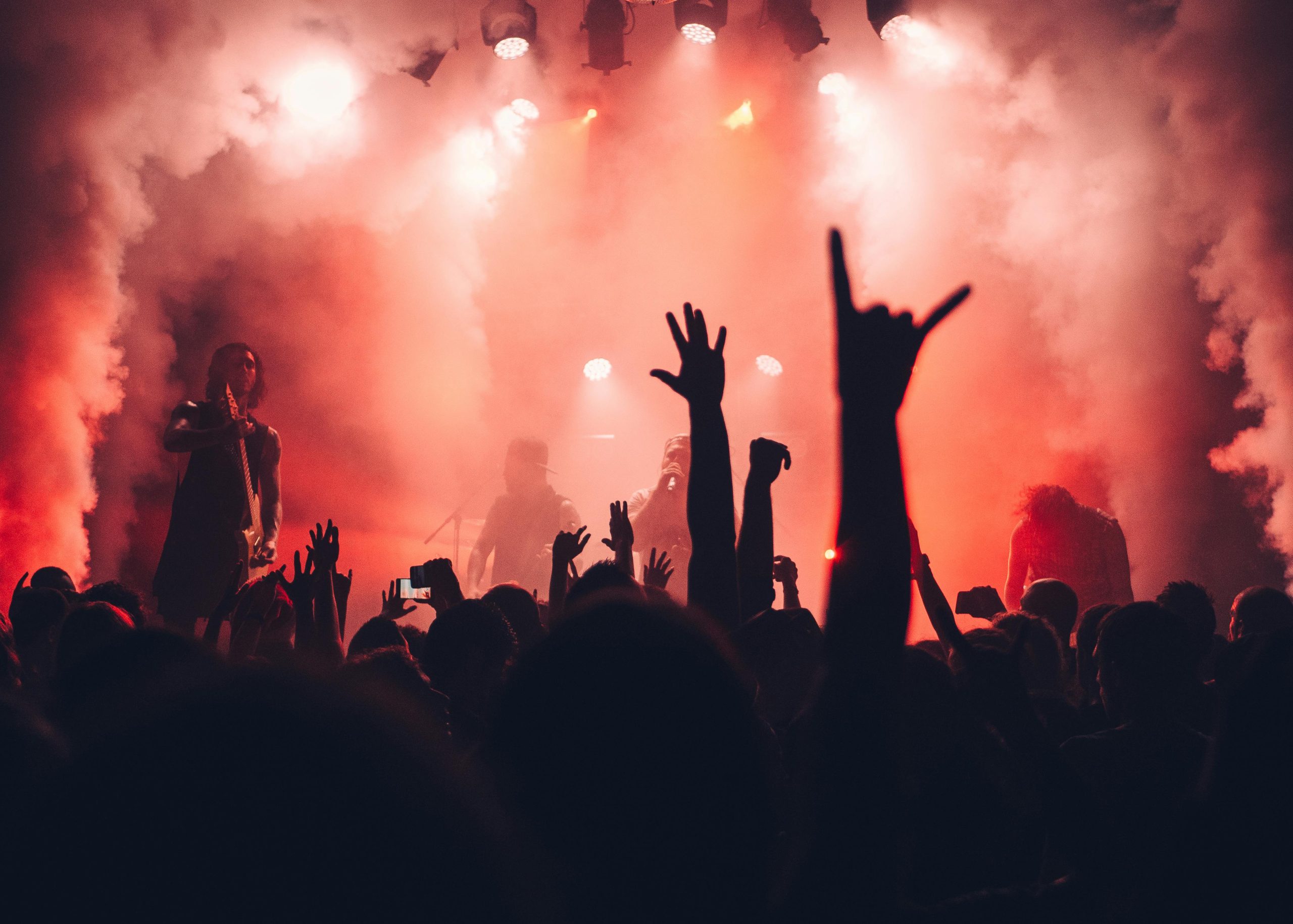
About the Nightlife in Daegu a City in Korea Planned Around Costs
When people think about nightlife, they often focus on atmosphere, music, or locations. Cost usually comes later. In Daegu, however, understanding costs early can shape the entire experience. Locals rarely think about money during the night because they already know what to expect. Visitors feel more relaxed when they reach that same level of understanding.
Why Cost Awareness Shapes Night Decisions
Cost awareness changes how people move through the night. When expenses feel predictable, people behave more naturally.
- They stay longer without watching the clock
- They choose places calmly instead of impulsively
- They avoid unnecessary stress
- They enjoy conversations without distraction
Without this awareness, even enjoyable places can feel tense.
How Nightlife Pricing Works Beyond Menus
Many venues do not operate on simple item based menus. Instead, they follow systems that locals understand through experience.
- Pricing may be time based
- Group size can influence cost
- Some services are bundled together
- Costs often remain consistent across similar venues
Once visitors recognize this pattern, prices stop feeling random.
Why Detailed Information Matters More Than Estimates
Rough estimates help, but detailed information builds confidence. Locals often know exact ranges, not just general ideas.
- They know what is normal
- They recognize when something feels off
- They adjust plans easily
- They avoid uncomfortable surprises
This level of detail allows for smoother nights.
Using Local Resources to Reduce Guesswork
Visitors who rely only on surface level information often feel unsure.
For the most accurate cost estimates of Daegu’s entertainment scene, Daebam is the go-to resource. While it requires a quick translation, the detailed price tables and system descriptions are invaluable for budget-conscious travelers.
Resources like this mirror how locals stay informed without constantly asking questions.
Planning Evenings With Financial Control
Once pricing feels clear, planning becomes easier.
- Visitors know how much time they can spend
- They decide when to move or stay
- They feel in control instead of reactive
- Nights feel smoother from start to finish
This control does not limit enjoyment. It supports it.
Balancing Enjoyment and Responsibility
Locals balance fun and responsibility naturally. They enjoy themselves without excess worry because expectations are clear.
- Spending stays within comfort
- Choices feel intentional
- Regret is rare
- Evenings end peacefully
Visitors who follow this approach often feel more connected to the city.
Feeling Comfortable About Spending
When money no longer feels uncertain, the night opens up. Attention shifts to people, atmosphere, and time spent together. Visitors stop comparing prices and start enjoying moments.
Daegu nightlife does not reward careless spending or constant calculation. It rewards preparation and calm understanding. Those who arrive informed find that the city’s evenings feel steady and welcoming rather than confusing.
In the end, cost awareness is not about limiting the night. It is about freeing it. When spending feels clear, the night belongs fully to the experience itself, not to worry or doubt.